Regarding automotive maintenance, diagnostic procedures demand technical skill and precision to accurately pinpoint car malfunctions. Begin by utilizing electronic diagnostic equipment to retrieve diagnostic codes for real-time analysis. These codes help professionals identify probable malfunctions, while following a systematic Eight-Step Diagnostic Process maintains thoroughness. Cross-reference system readings with manufacturer specifications and carefully record each step. Initial and final diagnostics are crucial for ensuring proper fixes and safety requirements. Integration of Technical Service Bulletins (TSBs) optimizes repair procedures with current OEM information. By maintaining comprehensive records and effective customer updates, professionals become properly positioned for implementing extensive diagnostic solutions. Explore techniques to improve these procedures.
Essential Points
- Today's diagnostic tools utilize electronic diagnostic equipment to pinpoint and assess automotive problems through Diagnostic Trouble Codes (DTCs).
- The 8-Step Diagnostic Methodology provides comprehensive and methodical problem identification and resolution.
- Before and after diagnostic procedures validate system functionality and optimize maintenance precision and reporting.
- Service bulletins offer manufacturer guidance for resolving targeted vehicle concerns.
- Regular software updates handle security concerns and enhance driver assistance capabilities.
Exploring Modern Vehicle Diagnostics
Regarding understanding modern vehicle diagnostics, it's essential to understand the intricate blend of advanced technology and traditional inspection methods that characterize the process.
You'll find that the foundation of diagnostics centers on state-of-the-art tools like OBD-II scanners. These instruments interface directly with your vehicle's electronic control units, delivering live system analysis, component testing functions, and additionally module programming functionality. They vary from entry-level scanners to professional-grade equipment capable of detailed analysis.
Understanding Diagnostic Trouble Codes (DTCs) is essential. Each DTC reveals specific details about your vehicle's problems. The first character indicates the affected system, such as the Body or Powertrain. The second digit indicates if the code is universal or brand-specific, while the remaining digits pinpoint the problem and component.
Always consider the value of visual inspection, which complements electronic diagnostics. Examining for surface defects, fluid conditions, and component wear can confirm electronic findings and highlight additional issues.
This integration provides a comprehensive diagnostic approach, enabling you to pinpoint problems precisely and effectively. By integrating these methods and tools, you maximize the full potential of modern vehicle diagnostics to achieve ideal vehicle performance.
Advanced Diagnostic Procedures and Recommended Practices
To effectively navigate the intricacies of vehicle diagnostics, you should adhere to the Eight-Step Diagnostic Process, maintaining thorough pre-scan and post-scan procedures.
Integrate Technical Service Bulletins (TSBs) to obtain manufacturer-specific solutions, while detailed documentation and record keeping simplify future reference.
Establish clear customer communication to define realistic expectations and deliver transparent updates on service status.
The 8-Step Diagnostic Methodology
Implementing the Eight-Step Diagnostic Process ensures an organized and thorough approach to vehicle diagnostics.
First, confirm the issue by consulting with the customer and recording specific symptoms, ambient factors, and whether the issue occurs with a warm or cold engine. A physical examination proceeds, where you examine components, prior maintenance, and inspect vital fluids, electrical systems, and fuel delivery.
Subsequently, attach scanning tools to retrieve diagnostic codes, analyzing data trends for insights. Remember to review technical service bulletins; they offer valuable information on documented problems, manufacturer recalls, and service notices.
Analyze system data by examining live data feeds and comparing them with manufacturer specifications, detecting any unusual values. This evaluation helps you to isolate the problem, isolating it to a precise area and pinpointing faulty elements.
Proceed with repairs, adhering to manufacturer guidelines. It's essential to resolve the source problem, not just the symptom, verifying you repair components as needed.
Finally, validate the repair by road testing the vehicle, monitoring for new issues, removing codes, and verifying all systems are working properly.
Document every step, from initial symptoms to end results, and keep clear interaction with the client throughout the procedure.
Understanding Scan Procedures: Before and After
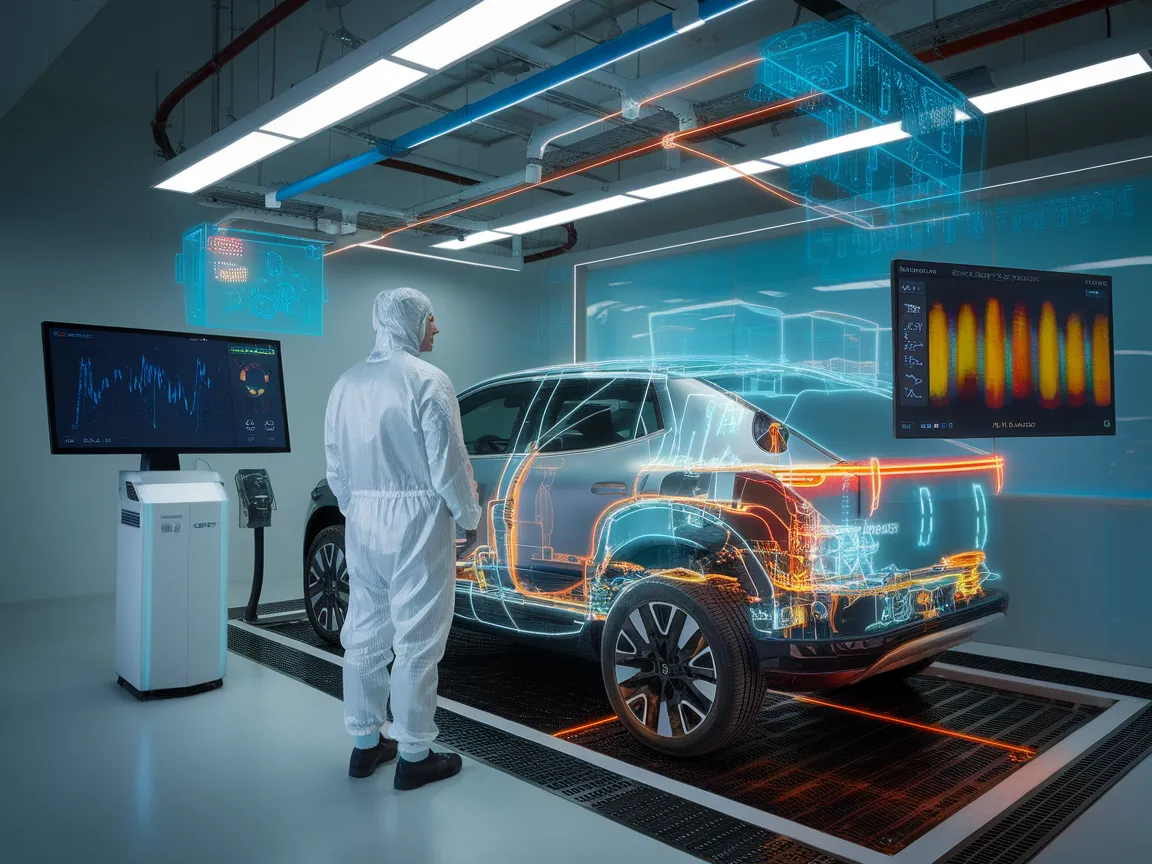
Understanding the significance of pre-scan and post-scan procedures in modern vehicle repair is crucial for ensuring both safety and repair integrity. A pre-scan analysis serves as your first line of defense, evaluating electronic systems to detect current concerns, fault codes, and underlying damage that are not visible during a visual inspection. This thorough assessment helps you to pinpoint safety system malfunctions and interconnected component issues, offering a guide for effective repairs.
After the repair work is finished, a post-scan verification is important. It ensures that all systems are functioning correctly and verifies that no new issues have developed. This process goes beyond confirm the success of the repair; it logs system functionality and ensures proper calibration, offering a clear indication of repair completion.
Integrating these scans into your workflow improves safety confidence by validating that all electronic systems, crucial for modern vehicle operation, are working as intended. It also streamlines insurance claims management, providing faster approval and more accurate repair estimates.
Technical Service Bulletin (TSB) Integration
Professional automotive repair requires implementing Technical Service Bulletins (TSBs) within your diagnostic process is crucial towards efficient and accurate troubleshooting. TSBs serve as vital resources, offering manufacturer-issued instructions on resolving non-safety-related vehicle issues affecting operational efficiency and customer experience.
Start by conducting a thorough review of appropriate TSBs prior to starting diagnostic work. This ensures you're equipped with the manufacturer's insights regarding frequent concerns.
Implementing modern diagnostic platforms, which effectively integrate TSBs, enhances your problem-solving approach. When you retrieve diagnostic trouble codes, these platforms provide immediate access to pertinent bulletins, eliminating experimental methods.
Ensure you conform strictly to the manufacturer-recommended repair procedures outlined in the TSBs. This precision guarantees that repairs achieve the highest standards and promote consistent quality.
You'll find that integrating TSBs reduces your diagnostic time considerably, as they provide standardized repair procedures and required equipment and components. This not merely enhances technician productivity but also enhances overall customer satisfaction.
Maintenance Documentation
Proper documentation and record-keeping in automotive repair is essential in upholding professional standards and maintaining legal compliance. To start, you need to carefully document vehicle information such as the make, model, VIN, and current mileage.
Record vehicle and owner information to establish a detailed profile. During service, log each diagnostic test conducted, including diagnostic findings and error codes.
Clearly note repairs and replacements made and service procedures completed. It's crucial to timestamp key milestones to monitor the maintenance schedule accurately.
Deploy computerized documentation tools with professional repair tracking systems to improve record-keeping. Computerized inspection records and electronic storage for scan tool reports improve workflow and data protection.
Always maintain recovery systems to prevent data loss. For regulatory requirements, retain comprehensive maintenance logs for no less than 15 months, incorporating service approvals and rejected recommendations.
Both digital and physical copies might be necessary, based on legal requirements.
Best Practices for Client Communication
For maneuvering the nuances of customer communication in auto repair diagnostics, establish a robust protocol that guarantees clarity and precision.
Begin with the initial interaction: practice active listening and maintain eye contact while gathering specific details about the automotive concerns. Communicate diagnostics in straightforward, non-technical language to guarantee customers comprehend the process and feel informed.
Record-keeping is essential. Develop comprehensive records of vehicle concerns, distinguish between essential and recommended repairs, and present comprehensive estimates including parts, labor, and timelines.
Secure written authorization for all repairs and meticulously document customer preferences, including insurance authorizations.
Convert complex technical specifications into everyday terms, avoiding jargon and acronyms. This builds trust and assists customers in making informed decisions.
Employ digital tools by providing digital inspections, text updates, and online payments, improving transparency and convenience.
Hold customers informed with periodic status updates, prompt notifications of new issues, and clear timelines.
Establish quality assurance through structured inspections and final checks before delivery.
Post-service, provide detailed documentation of repairs, future maintenance recommendations, and warranty information.
Gather feedback through feedback forms and follow-up communications to improve services. Consistent communication promotes satisfaction and loyalty, resulting in long-term success.
State-of-the-Art Vehicle Diagnostic Solutions
Transforming how we handle vehicle maintenance, innovative diagnostic technologies are revolutionizing the landscape of auto repairs. Welcome the future with AI-powered systems that slash diagnostic time by up to 90%. By leveraging predictive analytics, you can forecast potential failures through comprehensive sensor data analysis.
AI-driven visual recognition systems facilitate precise damage assessment, while advanced learning systems evaluate extensive vehicle data for exact diagnostics. Cloud-based diagnostic systems deliver centralized data management across multiple vehicles. This solution supports automated troubleshooting and instant anomaly detection, improving vehicle performance and decreasing downtime.
Remote diagnostics allow you to evaluate vehicle health without physical inspection, offering instant ECU data access, instant fault detection, and preventative maintenance, all while upgrading customer support through remote assistance. Connected vehicle systems and live monitoring track vehicle performance.
These systems persistently monitor health metrics, optimize maintenance schedules, and assess driver behavior using GPS-powered tracking. However, obstacles continue, such as handling underdiagnosis with overly aggressive approaches and the intricacy of error accuracy. As you implement these innovations, you're not just solving problems—you're pioneering automotive excellence.
Advanced Driver Assistance Systems & Modern Vehicle Technologies
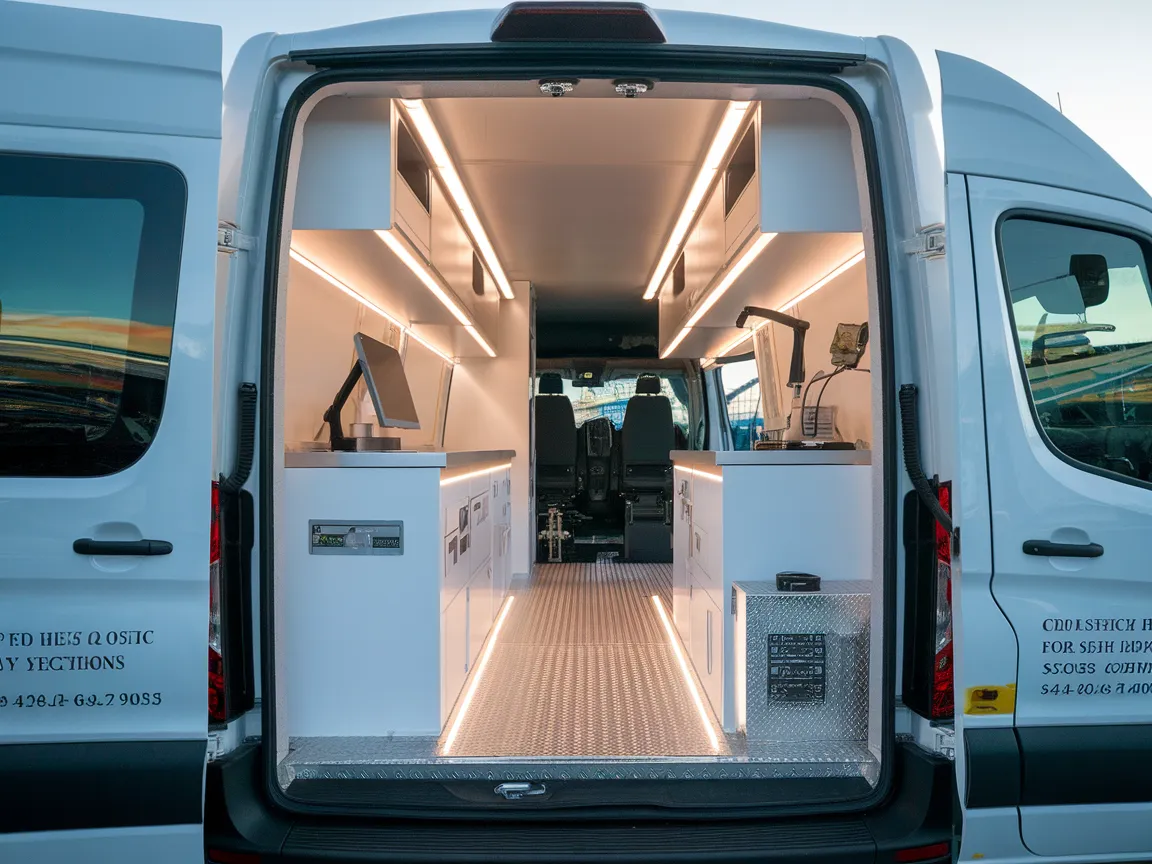
For vehicles featuring ADAS systems, technicians need to perform both dynamic and static calibration for ensuring exact camera and radar system diagnostics.
Maintain awareness of the latest software updates and programming to maintain precision of safety systems and comply with warranty guidelines.
Detailed recording of calibration steps remains critical for warranty compliance and reliable safety system verification.
Comparing Static and Dynamic Calibration Methods
A crucial aspect of ADAS technology is ensuring precise calibration, which is performed through two main methods.
The static calibration process takes place with the vehicle stationary, usually in a specialized workspace like a workshop. The process demands a flat surface, proper illumination, and specialized calibration tools. This approach offers high precision, but it demands a dedicated workspace and can be time-consuming. It's less flexible and requires substantial facility costs but delivers predictable performance, independent of weather.
In contrast, dynamic calibration procedures, or on-road calibration, takes place while the vehicle is being driven. This process requires clear weather, well-defined lane markers, and controlled driving speeds. You'll benefit from its flexibility, as it tests the system in actual driving situations and needs less specialized equipment. However, it is greatly influenced by weather and road conditions, and the performance can differ.
Selecting from these methods hinges on automotive specifications, manufacturer specifications, and your workshop's resources. In many cases, both calibrations are required to maintain ideal ADAS performance, particularly after services like windscreen changes or wheel alignments.
Each method needs professional expertise and needs to be executed precisely to ensure system integrity.
ADAS Camera and Radar Diagnostics
Modern ADAS vehicles require careful diagnostic procedures for sensing systems to guarantee flawless operation.
Begin with examining sensors visually for damage or obstruction. You must check for system error codes which could reveal operational issues or alignment concerns. Verify the placement of all components following Camera and Radar System Diagnostics factory guidelines.
Vision systems are essential for detecting objects, lanes, and signs, but face certain limitations. Adverse weather conditions can impact performance, along with contaminated optics or insufficient lighting could impair function. Manage these challenges with systematic cleaning procedures.
The radar components employ RF technology in determining object position and speed. They maintain effectiveness under poor visibility, while being subject to disruption from external factors. Watch for signs of calibration drift issues.
When conducting diagnostics, implement multiple calibration procedures using proper tools. Dynamic testing ensures proper system response during actual use.
Always ensure factory-authorized training and utilize proper diagnostic equipment. Routine upkeep involving position checks and system cleaning is essential to ensure sustained performance.
Software Updates and Programming
In today's evolving automotive landscape, maintaining current vehicle software is vital for peak performance, especially regarding ADAS systems. Today's vehicles are sophisticated machines containing over 100 million lines of code, making software updates and programming critical for best operation. Software updates tackle security vulnerabilities, deliver feature enhancements, and enhance ADAS functionalities.
You must coordinate these updates through secure protocols using encryption, guaranteeing compatibility across electronic control units. Remote updates optimize this process, allowing smooth integration of feature upgrades and security fixes without requiring a visit to the service center. Security validation procedures are crucial to guarantee that updates are valid and compatible with your vehicle's systems.
The software architecture involves core stacks like time-driven software for important functions and event-based software for user engagement. Comprehending integration points, such as hardware abstraction layers and middleware components, is essential for effective system diagnostics.
System monitoring and fault code detection enhance diagnostic capabilities, while performance optimization and calibration management are crucial for ensuring ADAS efficiency.
Safety Systems Assessment
Today's automobiles are fundamentally based on software to perform optimally, and handling software updates is a single component in the equation. You need to prioritize verifying the safety systems within ADAS and modern vehicle systems to maintain optimal functionality.
ADAS incorporates high-performance computers, sensing systems, and actuators to enhance driving safety. Its essential systems include location tracking, obstacle detection, and control mechanisms engineered to prevent collisions by reducing human errors.
To validate these systems, begin with requirements-based testing. Establish safety goals, validate functionality, and make sure everything's documented.
Subsequently, utilize scenario-based testing, simulating various traffic conditions and environmental factors to assess system responses.
For hardware, use Hardware-in-the-Loop (HIL) testing, connecting real components to verify sensors and controllers. Enhance this with digital testing environments, simulating real-world conditions for a complete pre-deployment check.
Proactive safety mechanisms like emergency brake assistance and intelligent speed control require thorough validation.
Don't overlook passive systems, such as warning systems and indicators, making certain they're consistent and efficient.
Warranty Requirements and Record-Keeping
The integrity of ADAS vehicle warranty coverage depends heavily on comprehensive record-keeping. It's crucial to guarantee that all ADAS-related maintenance work is properly documented. Service records should include performed calibrations, parts replacement, and diagnostic steps. Initial and final diagnostic scans are essential, as they document your vehicle's state before and after repairs.
Due to the interconnected nature of ADAS with essential vehicle operations like brakes and engines, every service procedure demand special attention of system dependencies. Proper calibration documentation is critical, as small adjustments can impact ADAS operation, necessitating precise calibration.
Technical expertise represent another crucial factor. Ensure that your repair center keeps track of technical training specialized in ADAS systems. Adhering to OEM specifications and using authorized equipment is crucial for protecting warranty coverage.
For quality assurance, log system operation through computer-based diagnostics and, when appropriate, controlled test drives. Document initial issues, test findings, work permissions, and post-repair validation.
Maintain both electronic and paper copies of every record to function as verified records, safeguarding against potential liability issues and ensuring thorough warranty oversight.
Latest Innovations in Vehicle Diagnostics
The landscape of vehicle diagnostics is certainly changing with advanced technologies that aim to solve the complex challenges of maintaining modern vehicles. Smart diagnostic systems leads the way, offering instant surveillance mechanisms for component health and sophisticated analysis that identify issues ahead of breakdown. These technologies facilitate automated diagnostic processes, ensuring maintenance procedures are both efficient and effective.
Online systems are advancing remote diagnostics, enabling centralized data management. This facilitates comprehensive vehicle tracking and analysis, enhancing maintenance schedules across multiple vehicles.
In the domain of electric vehicles, specialized diagnostic tools are essential. Battery health monitoring, encompassing charging performance monitoring and thermal management, is crucial to maintaining EV performance.
Integrated diagnostic systems further enhance real-time vehicle health monitoring through connected systems, providing wireless software maintenance and efficient data communication.
Machine learning applications, such as automated fault analysis and natural language processing, offer advanced repair guidance, forecasting failures with precision.
Emerging technologies like AR technology deliver interactive repair guides and real-time support. Modern detection systems upgrade data collection capabilities, developing a predictive service framework.
These innovations guarantee vehicles maintain dependability, decreasing downtime and maintenance costs.
Fundamental Diagnostic Tools
Getting familiar with crucial diagnostic equipment is vital for professionals involved in modern vehicle servicing. You'll need to become proficient with OBD-II scanners and code readers, as these tools are the foundation of automotive troubleshooting.
Professional-grade scanners like the BlueDriver Bluetooth Pro OBDII, Autel MaxiCOM MK808, and TOPDON ArtiDiag800BT provide complete diagnostics and real-time monitoring. When cost is a consideration, entry-level code readers like the Foxwell NT201 or the Motopower MP69033 still offer basic diagnostic capabilities.
Enhance your diagnostic capabilities with digital oscilloscopes and multimeters, essential tools for analyzing electronic signals. Select tools with high bandwidth capabilities, multi-channel functionality, and USB connectivity. Built-in waveform generators assist in testing complex systems efficiently.
Don't overlook specialized manufacturer software. Programs like professional diagnostic software provide cross-platform testing, essential for modern vehicles. Additionally, professional calibration tools from industry-leading manufacturers provide precision in your diagnostics.
Update your diagnostic tools periodically. Regular updates increase vehicle coverage, address software issues, and upgrade diagnostic capabilities.
This comprehensive strategy, combining advanced tools and accurate diagnostics, will optimize repairs and ensure proper vehicle maintenance.
Career Growth and Skill Enhancement
In today's rapidly changing automotive repair landscape, remaining competitive means pursuing continuous professional development and training. The industry's demands are clear: to keep pace with advancing vehicle technologies, you must undertake ongoing education and skills enhancement. ASE certification establishes a standard, requiring recertification every five years through thorough testing and documented experience.
Concentrate on core areas like engine repair, gearbox mechanics, and sophisticated electrical systems to enhance your expertise.
Developing your technical proficiency requires honing problem analysis, diagnostic procedures, and safe use of modern diagnostic equipment. Brand-specific training programs are essential, offering formal education, online courses, and field experience, all tailored to particular vehicle brands.
Prerequisites for these programs typically demand a secondary education certificate, formal automotive education, and a current copyright.
Leverage online resources such as digital training tools and the ASE E-Learning Portal for flexible learning options. Obtain technical documentation through platforms like industry-standard databases to keep updated with OEM repair procedures.
Industry certifications are routes toward professional growth, with expert qualifications like Master Technician status showcasing your extensive expertise in automotive diagnostics and repairs.
Quality Management and Validation
The significance of quality control in automotive repairs cannot be overstated, as it confirms that all automobiles exits the service center in optimal condition.
After-service validation starts with a comprehensive visual inspection to verify that serviced parts align properly and all parts are firmly attached. You must carry out mechanical testing, consisting of functionality checks and vehicle operation checks, to validate service quality. Implementing diagnostic equipment is crucial for confirming functionality.
Safety verification plays a critical role; a complete safety assessment protocol verifies all systems comply with manufacturer requirements.
Proper documentation underlies quality assurance. Electronic Service Documentation should feature comprehensive documentation of repairs, employ color-coded problem classification, and include comprehensive technician notes. Log all components, processes, and diagnostic outcomes to maintain a detailed service history.
Customer education is crucial for satisfaction. Thoroughly review performed services, implementing visual aids and sharing preventive maintenance guidance. Walk through documentation, clarify warranty terms, and resolve any inquiries.
Warranty compliance demands complying with manufacturer procedures and utilizing approved parts to protect coverage.
Establish follow-up procedures with validation measures, collect feedback, and keep detailed records to optimize service consistency and client contentment.
Popular Questions Explained
How Can I Discover a Reliable Auto Mechanic Near Me?
Begin by investigating online reviews and ratings. Use services like popular review sites. Verify certifications like ASE. Seek recommendations from people you trust. Make certain they provide diagnostic capabilities. Review warranty terms and service assurances for peace of mind.
Breaking Down the Expenses of Automotive Diagnostic Tests
For automotive diagnostic services, you'll face different expenses like service costs, diagnostic tool fees, and system analysis costs. Standard system checks typically cost between fifty to one hundred fifty dollars, though advanced diagnostics could mean additional charges. You should ask your mechanic to break down each charge, in accordance with professional diagnostic practices.
What's the Recommended Frequency for Diagnostic Testing for My Automobile?
Experts suggest performing vehicle diagnostics every six months to keep your vehicle running at its best. Keep track of engine codes, sensor outputs, and system calibrations. This proactive approach helps detect emerging issues, ensuring timely repairs, minimizing breakdown risks, and optimizing vehicle performance.
How Can I Carry Out Basic Diagnostic Checks Without Professional Tools?
Absolutely, you're able to carry out basic system checks by yourself. Utilize an OBD2 reader for reading diagnostic codes. Check electrical system health using a multimeter. Inspect all fluids by yourself. This approach can reveal common problems with home diagnostics.
Are Diagnostic Tests Included Within Insurance and Warranty Plans?
You need to check your coverage details for both warranty and insurance. Diagnostic tests are typically covered under warranty when they're part of necessary repairs, but insurance typically won't include diagnostics unless directly related to an covered insurance claim.
Conclusion
You've explored the complexities of modern vehicle diagnostics, highlighting the importance of expert methodologies and advanced technologies. Having gained insight into ADAS and evolving vehicle systems, you're prepared to address future diagnostic challenges. Utilize advanced tools and maintain refining your skills through professional development. Emphasize quality control and verification to ensure precise outcomes. As the automotive landscape advances, your commitment to mastering diagnostic techniques will empower you to effectively troubleshoot issues and maintain vehicle integrity.
Relevant resources: https://environment.ec.europa.eu/topics/air_en